
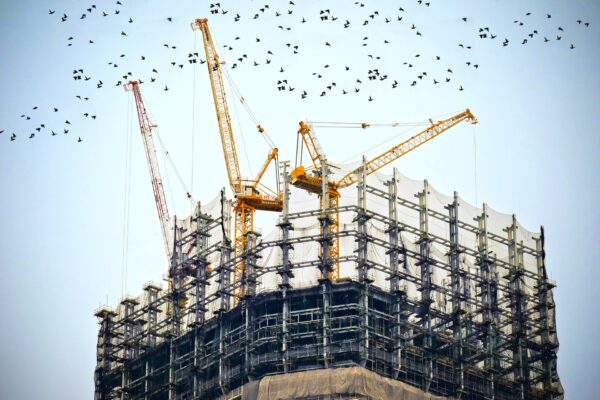
Defective works are frequently the subject of construction disputes between contractors, sub-contractors and employers.
 John Wallace
Delay is an inevitable issue in the construction industry, and a thorough understanding of the legal principles governing critical path analysis, causation and mitigation is essential for both avoiding disputes and effectively managing them when they arise.
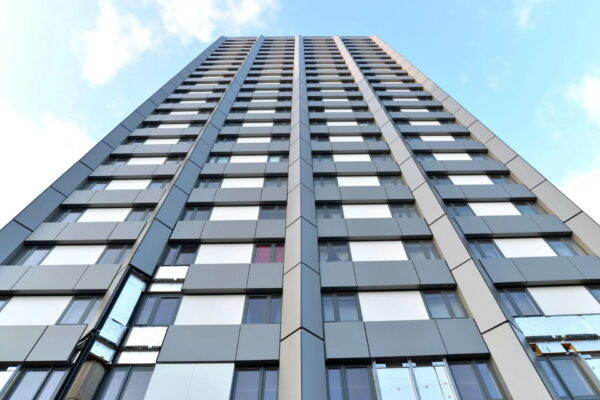
On 14 June 2017 a fire broke out at the Grenfell Tower in West London, where 72 people sadly perished. Following the tragedy, serious concerns emerged about the use of combustible cladding in high-rise buildings; leading to increased scrutiny, regulation and remediation efforts across the construction sector.

Red Flag Alert reports that more than 6,000 construction companies could become insolvent in 2023 and perhaps 100 firms could become insolvent each week. In a receding economy, the insolvency of a developer, contractor or sub-contractor can have major implications on the success of a development.

It is not unheard of for works to commence on site prior to a construction contract, or even a letter of intent, being entered into or even where such a contract exists, where that contract has not been signed by either one or both of the parties. The risks are obvious.

It is important that you understand all of the documentation that is necessary as part of the procurement process. This course will explain in simple terms the documents that are required, aside from a construction contract.